✨ Introduction
The October 2025 crypto crash shook the crypto world — for the first time since 2018, the market ended a full month in the red. Bitcoin saw a billion‑dollar sell‑off, altcoins tumbled, and headlines worldwide started whispering about a new financial crisis.
But for beginners, this crash is more than just bad news — it’s a real‑time case study. It shows how markets fall, how fear spreads, and why risk management matters more than hype.
📉 What Happened in October
The October crash wasn’t just a dip — it was a stress test for the entire crypto market. For beginners, it exposed how quickly sentiment can shift, how fear spreads faster than facts, and why emotional trading is dangerous. Behind the headlines, this moment offers a clear lesson: markets don’t fall without signals, and those who observe closely can learn to protect themselves.
- Bitcoin collapsed with over $1 billion liquidated in a single day.
- Toncoin and other altcoins lost positions, showing how fast sentiment can change.
- Rumors about lawsuits and manipulation fueled panic, even when later denied.
- Inflation and geopolitical risks added global pressure.
- Some altcoins showed resilience, proving diversification matters.
🌍 Why Everyone Talks About a Financial Crisis
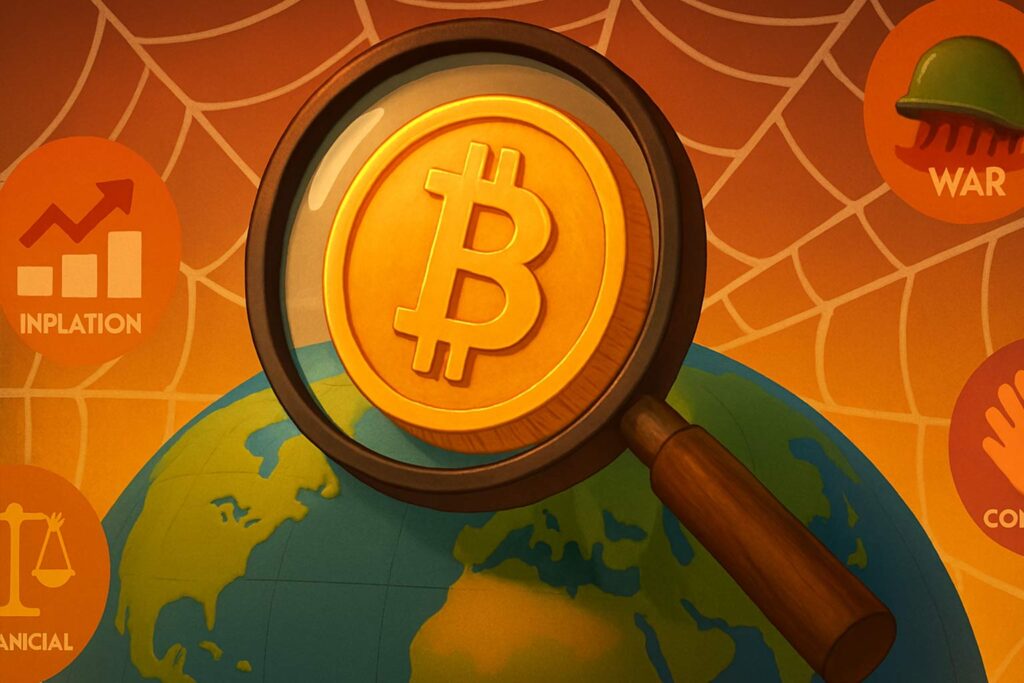
The crypto crash of October 2025 wasn’t just market noise — it was part of a broader financial storm. Rising inflation, unstable geopolitics, and investor panic hit both traditional and digital markets, leading analysts to frame the crypto drop as a symptom of a wider crisis. For beginners searching “why did Bitcoin crash” or “how inflation affects crypto,” this moment shows that digital assets are deeply connected to global events.
Understanding macroeconomic pressure — from lawsuits and manipulation rumors to inflation and war risk — is essential for anyone learning to trade. Crypto doesn’t exist in a vacuum, and ignoring the bigger picture can cost you.
🧩 Key Lessons for Beginners

After the October 2025 crash, one thing became clear: markets are emotional, fast-moving, and often misunderstood. For beginners, this is the perfect time to step back and learn the basics — not from hype, but from patterns, behavior, and safe practice. Whether you’re watching Bitcoin fall or altcoins rebound, the smartest traders are the ones who stay calm, think critically, and build habits before risking capital.
• ⚠️ Corrections are normal — every market has cycles.
• 🚫 Don’t chase hype — coins that rise fast can fall just as quickly.
• 📰 Separate noise from facts — headlines amplify fear.
• 🎮 Practice before investing — simulators like Forex Game App help you learn safely.
🔮 What This Means Going Forward
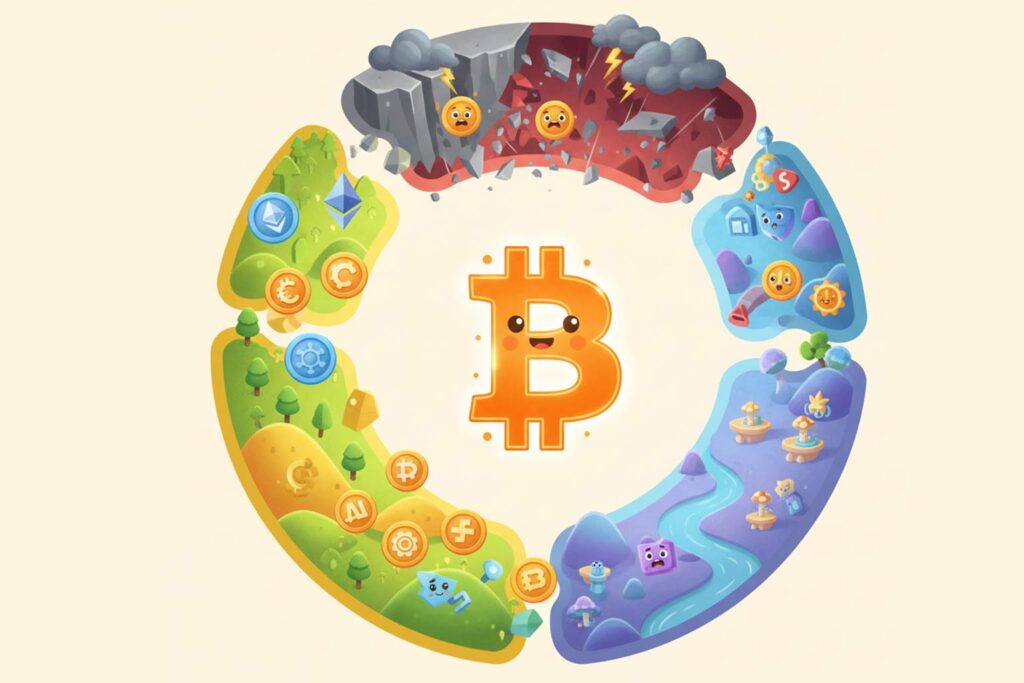
The October 2025 crash is a reminder that financial markets, especially crypto, move in cycles. After periods of rapid growth, corrections are inevitable. For beginners, downturns should not be seen as the end of the market, but as natural pauses that allow prices to reset and stabilize.
Looking forward, volatility will remain a constant feature of crypto trading. Bitcoin will continue to act as the benchmark, while altcoins will rise and fall depending on sentiment and innovation. For new traders, this is an opportunity to observe how different assets react under pressure.
Most importantly, the crash highlights the value of safe practice. Tools like Forex Game app allow beginners to experience market volatility without financial risk. By simulating trades, tracking price movements, and building habits in a controlled environment, newcomers can transform uncertainty into confidence.
✅ Conclusion

Game App. In October 2025, the crypto market faced its sharpest monthly decline since 2018. Over $1 billion in Bitcoin was liquidated in a single day, altcoins like Toncoin lost ground rapidly, and panic spread through global headlines. Rumors of lawsuits and manipulation — even when denied — fueled fear, while inflation and geopolitical tensions added pressure across all markets.
Analysts now view this crash as part of a broader financial stress cycle, not just a crypto event. For beginners, the key takeaway is clear: crypto is deeply tied to global events. This crash highlighted the importance of risk management, emotional control, and learning through safe tools like simulators before entering real markets.